Bori Wildlife Sanctuary It established in year 1977, Under Wildlife Protection Act of 1972.However
its biogeographical Province 4.8.4(Indus-Ganges Monsoon Forest). The
Sanctuary is located on Southern slopes of the Satpura range, Hoshangabad district, Madhya
Pradesh,
Moreover the area of Sanctuary is 518sq.km(approx).The physical features
of sanctuary are perennial natural water source in the area. Little, but many swiftly flowing temporary streams and rivulets. The failry big Towa river, near Bunglapura gets dried up during dry months leaving only few stagnant pools of water. A few hills
(Sakott hill, Gottu Deo hills) which are the
out spurs of Satpura ranges protrude into
the area. Their altitude hardly goes above 700m. The undulating forest floor mainly consists of fertile black-cotton soil, mixed with sandy loam. However, in the hills, soil is chiefly composed of sandstones, shales and basaltic rocks. Average rainfall is 1,750mm. Rainy season June-September with maximum rainfall in July and August. Temperature range 8*C-4 0*C. Altitude ranges from
300-1,000m.
 Tropical dry deciduous forest with good stands of teak. Around
Churna, Dhain and Bori there are vast areas of undisturbed forests. The dominant tree
species are Anogeissus latifolia, Tectonia grandis, Terminalia spp., Adina
cordifolia, Aegle marmelos, Mitragyna parvifolia, Manikara hexandra, Ficus sp., Lagerstroemia
parviflora, Chloroxylum swietenia, Buchanania lanzan, Soymida febrifuga, Cassia fistula, Pongamia
pinnata, Dalbergia sissoo, Dispyros melanoxlyon, Syzygium cumin and Grewia
tiliaefolia. The best teak forest-tracts are near Bori. The undergrowth vegetation includes shrubs of Helicteres
isora, Grewia hirsuta, G. rothii, Celastrus paniculata, Ziziphus spp., Moghania
semialata, Mimosa himalayana, M. rubicaulis, Lawsonia inermis, Xeromphis
spinosa, X. uliginosa, Carissa congeta, Petalidium barlerioides, Lantana
camara, Baliospermum monatanum, Securinega leucopyrus, Homonoia riparia and Boehmeria
scabrella. Near Dhain and Bori there are vast forests of Dendrocalamus
strictus. Throughout the forests the undergrowth vegetation has been entangled by numerous climbing plants. Epiphytic orchids like Vanda ressellata and Aerides odoratum and parasites such as Dendriphthoe
falcata, Scurrula philippensis and Viscum nepalense are quite common on deciduous trees.
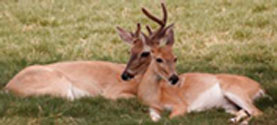
The fauna of the santuary are Tiger Panthera tigris, leopard P. pardus, Indian wild dog Cuon
alpinus, striped hyaena Hyaena hyaena, jackal Canis aureus, jungle cat Felis
chaus, Indian fox Vulpes bengalensis, chital Axis axis, sambar Cervus
unicolor, muntjac Muntiacus muntjak, chevrotain Tragulus meminna, nilgai Boselaphus
tragocamelus, four-horned antelope Tetracerus quadricornis, chinkara (mountain gazelle) Gazella
gazella, gaur Bos gaurus and others. Tropical dry deciduous forest with good stands of teak. Around
Churna, Dhain and Bori there are vast areas of undisturbed forests. The dominant tree
species are Anogeissus latifolia, Tectonia grandis, Terminalia spp., Adina
cordifolia, Aegle marmelos, Mitragyna parvifolia, Manikara hexandra, Ficus sp., Lagerstroemia
parviflora, Chloroxylum swietenia, Buchanania lanzan, Soymida febrifuga, Cassia fistula, Pongamia
pinnata, Dalbergia sissoo, Dispyros melanoxlyon, Syzygium cumin and Grewia
tiliaefolia. The best teak forest-tracts are near Bori. The undergrowth vegetation includes shrubs of Helicteres
isora, Grewia hirsuta, G. rothii, Celastrus paniculata, Ziziphus spp., Moghania
semialata, Mimosa himalayana, M. rubicaulis, Lawsonia inermis, Xeromphis
spinosa, X. uliginosa, Carissa congeta, Petalidium barlerioides, Lantana
camara, Baliospermum monatanum, Securinega leucopyrus, Homonoia riparia and Boehmeria
scabrella. Near Dhain and Bori there are vast forests of Dendrocalamus
strictus. Throughout the forests the undergrowth vegetation has been entangled by numerous climbing plants. Epiphytic orchids like Vanda ressellata and Aerides odoratum and parasites such as Dendriphthoe
falcata, Scurrula philippensis and Viscum nepalense are quite common on deciduous trees.
The fauna of the santuary are Tiger Panthera tigris, leopard P. pardus, Indian wild dog Cuon
alpinus, striped hyaena Hyaena hyaena, jackal Canis aureus, jungle cat Felis
chaus, Indian fox Vulpes bengalensis, chital Axis axis, sambar Cervus
unicolor, muntjac Muntiacus muntjak, chevrotain Tragulus meminna, nilgai Boselaphus
tragocamelus, four-horned antelope Tetracerus quadricornis, chinkara (mountain gazelle) Gazella
gazella, gaur Bos gaurus and others. |


 Best Tours Packages